STUCKFIX
handymanDIY Friendly
fence

Chain Link Fence Top Rail Bent or Collapsed

When a chain link fence's top rail gets bent from impact, wind, or age, the fence sags and the fabric goes slack. Here's how to straighten or replace the rail.

Category:Outdoor
Difficulty:Moderate
Time:1-2 hours
Success:50%
Updated:May 26, 2026

quick_referenceQuick Answer

For Chain Link Fence Top Rail Bent or Collapsed, start with "Inspect the full length of the top rail to assess the damage": Walk the entire fence section and look at the top rail from both sides. Identify the exact bend point — sometimes the rail is bent at one spot, sometimes it's kinked in multiple places. Check whether the rail caps (the clips that hold the rail to the line posts) are still in place or have popped off. If the rail is only bent and not cracked, you can often bend it back. If it's crumpled or has a visible crack, it needs to be cut and replaced. Also check the line posts — if they're leaning, the rail replacement won't hold until the posts are reset. Stop DIY if if a vehicle hit the fence and also damaged the line posts or terminal posts (they're leaning or the concrete footing is cracked), you need to reset the posts before the rail replacement will hold — call a fence contractor. This is listed as a moderate recovery and usually takes about 1-2 hours.

verifiedGuide Snapshot

Repair areaOutdoor
Estimated time1-2 hours
DifficultyModerate
Stop conditions3

Last updated May 26, 2026. Review the stop conditions before continuing.

account_treeRecovery State

DeviceFence
Current stateTop Rail Bent Collapsed
Specific stateSag Fabric Loose
Failed stepPost Impact Rail Collapse
Likely failure typeMisalignment
DIY boundaryDIY recovery first
paymentsCost decision

help1. Understand the Problem

The top rail on a chain link fence is the backbone that keeps the fabric stretched tight. It's usually 1-3/8-inch steel tubing threaded through the顶端 of the chain link mesh and held by rail caps at each line post. When something hits it — a car, falling tree limb, heavy snow load — it bends or collapses. Once the rail is bent, the fabric loses its top support and sags. The sag spreads tension to the line posts, which then lean. A minor bend you can often bend back with leverage; a collapsed rail needs replacement. The job is simple in concept but physically demanding because the rail can be 50–100 feet long and is anchored at both ends.

build_circle2. Try This First
Best First Step
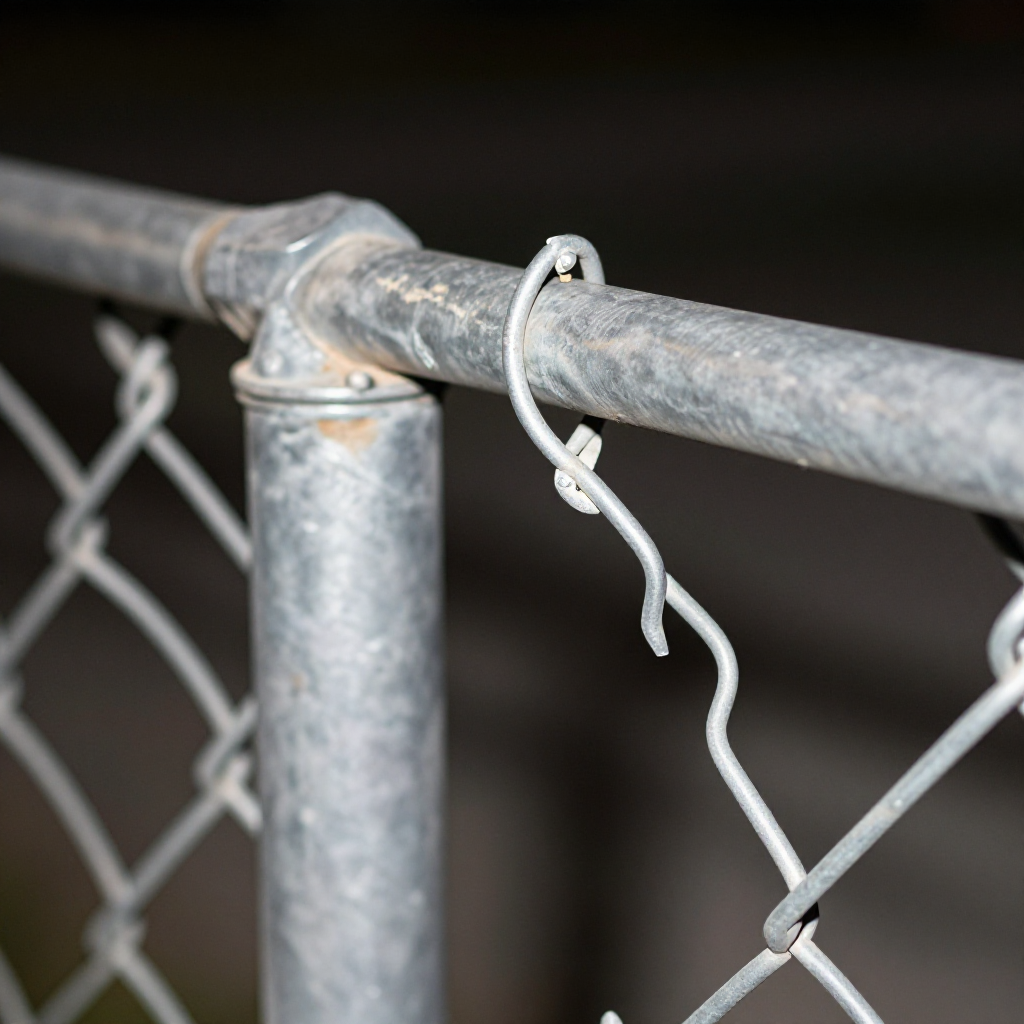
Inspect the full length of the top rail to assess the damage

Inspect the full length of the top rail to assess the damage

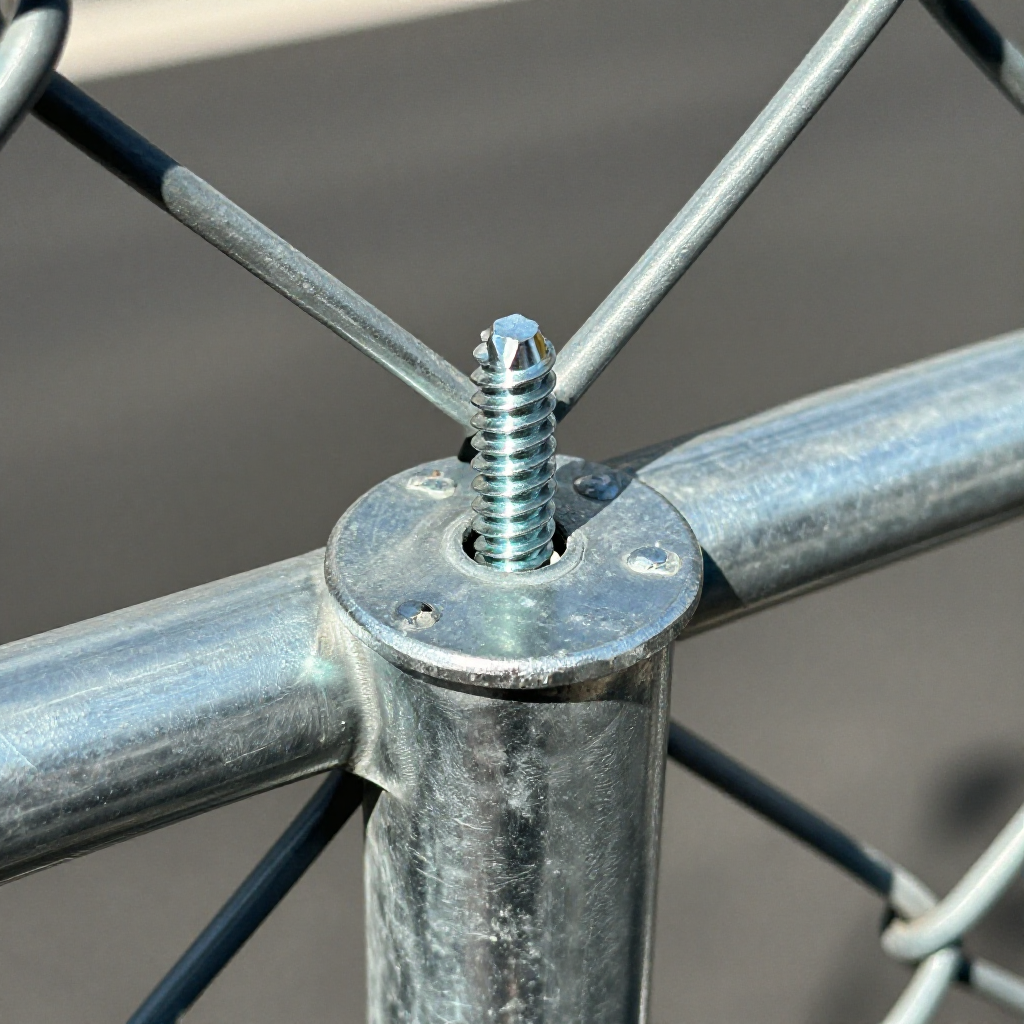
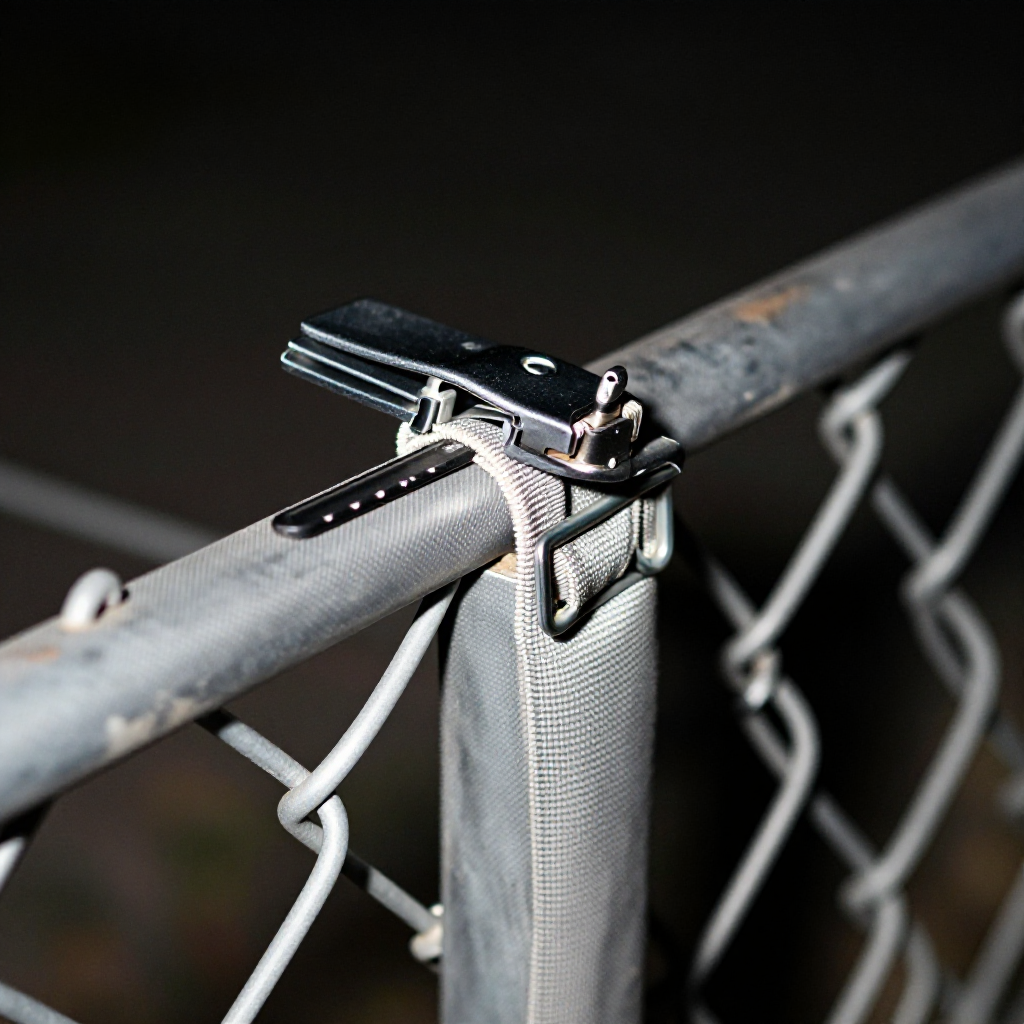
Walk the entire fence section and look at the top rail from both sides. Identify the exact bend point — sometimes the rail is bent at one spot, sometimes it's kinked in multiple places. Check whether the rail caps (the clips that hold the rail to the line posts) are still in place or have popped off. If the rail is only bent and not cracked, you can often bend it back. If it's crumpled or has a visible crack, it needs to be cut and replaced. Also check the line posts — if they're leaning, the rail replacement won't hold until the posts are reset.

visibility3. Visual Guidance

See what's happening and how to try the first recovery step.
1
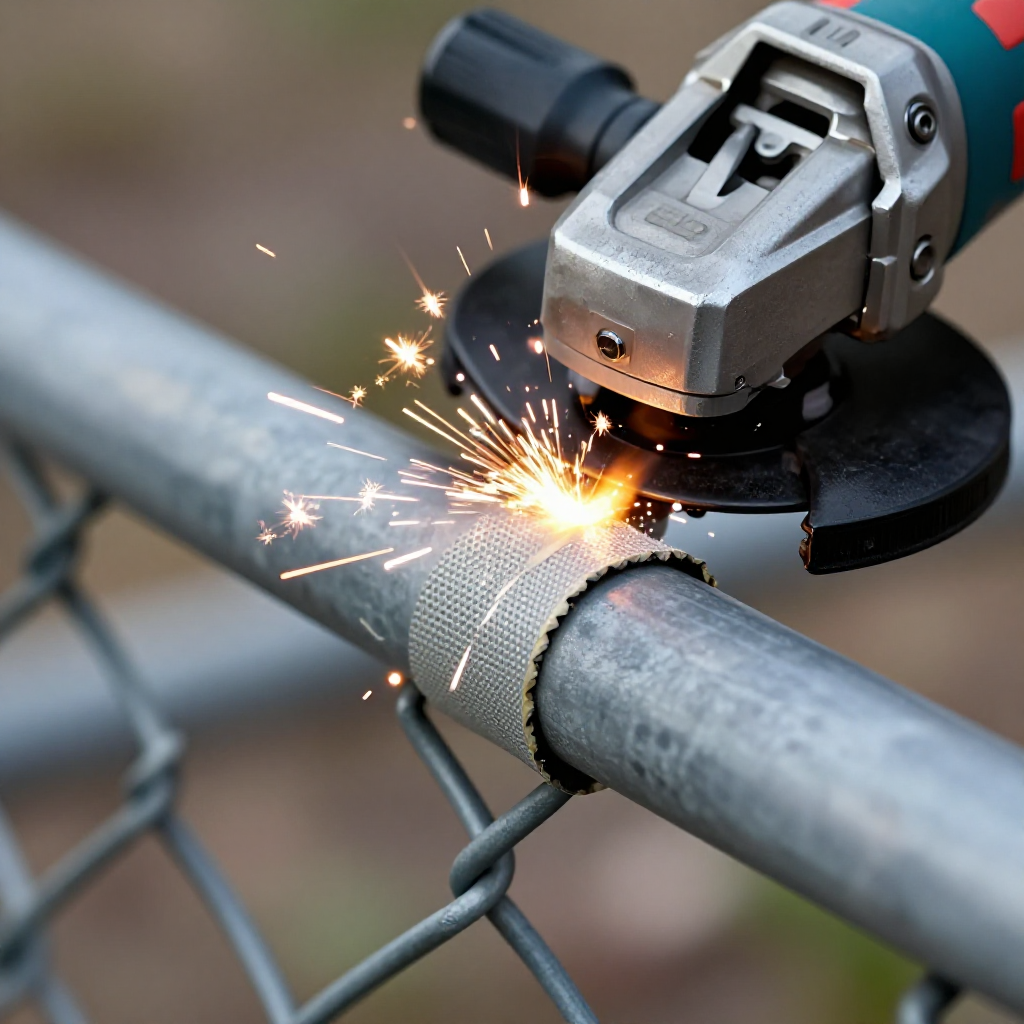
Cut the damaged section of rail with a hacksaw or angle grinder
Cut the damaged section of rail with a hacksaw or angle grinderMark the rail 6 inches past the damage on each side. If the rail is bent, not collapsed, you can sometimes straighten it by lashing a 2x4 to the rail and using it as a lever against a solid post — apply slow, even pressure. If the rail is crumpled or cracked, it must be replaced. To cut: use a fine-tooth hacksaw (about 18-24 TPI) or an angle grinder with a metal cutoff wheel. Wrap the chain link fabric away from the cut zone with tape or cloth so it doesn't get caught. Cut squarely — you'll need a clean end to join a new rail section.
2
Thread a new rail section through the chain link fabric
Thread a new rail section through the chain link fabricBuy a replacement top rail (1-3/8-inch galvanized steel tubing) from a fence supplier or home center — buy it by the foot and ask them to cut it to length. The new rail needs to span the full damaged section plus 6 inches past each side. Slide the new rail section through the顶端 of the chain link mesh where the old rail was removed. If the rail is long, tie a string to the end of the old fabric clip and pull the string through the mesh, then tape the new rail to the string and pull it through.
3
Join the new rail to the existing rail with a sleeve coupling
Join the new rail to the existing rail with a sleeve couplingUse a rail sleeve (a short piece of slightly larger diameter tubing that slips over both rail ends) to join the new section to the existing rail. Slide the sleeve over the existing rail end, insert the new rail end, and center the sleeve so there are 3–4 inches of overlap on each side. Drill a 3/8-inch hole through both walls of the sleeve and both rails, and bolt them together with a zinc-plated bolt and nut. This creates a rigid connection that won't pull apart. Do this at both joints if you have two connections.
4
Reattach rail caps to line posts and retighten the fabric
Reattach rail caps to line posts and retighten the fabricClip the rail caps (the metal clips bolted to each line post that capture the top rail) back into place around the new rail. If any rail caps were damaged or popped off, replace them — they're usually held by a single bolt. Once the rail is seated and secured at every line post, use fence pliers to retighten the chain link fabric along the top: weave a tension bar through the mesh and pull it tight with a fence puller or by lashing it to the rail. Even tension prevents future sagging.

autorenew4. If That Doesn't Work

Try the next recovery options.

build
Replace the entire top rail rather than patchingIf the existing rail is old, rusty, and was weakened before the damage, patch jobs won't last. Replace the entire rail run between two terminal posts (the end posts or corner posts). Remove the end fittings, pull the old rail out, and thread in a new one-piece rail. This costs more (~$3–5 per linear foot of rail) but eliminates the weak points at splice joints.
chevron_right
engineering
Install a brace rail to reinforce a weakened fence sectionIf the fence is in an area prone to impact (near a driveway, parking area, or under a tree), add a diagonal brace rail from the top of the bend back to the nearest line post. This distributes impact load and prevents the rail from bending again at the same spot. Use two 90-degree brackets and a short rail section.
chevron_right

Frequently Asked Questions

Can I bend a bent chain link fence top rail back without replacing it?expand_more
If the rail is bent but not cracked or crumpled, you can often straighten it. Wrap the rail with a thick rag, clamp a 2x4 to it, and apply slow even pressure against a solid post. Don't use impact (hitting it with a hammer) — that can crack the galvanized coating and accelerate rust. If the rail is crumpled or kinked, it needs to be cut out and replaced.
How much does a replacement top rail cost for a chain link fence?expand_more
Galvanized steel top rail (1-3/8-inch) costs about $3–$5 per linear foot at home centers. A rail sleeve coupling costs $2–$4. For a 10-foot section of damage, you're looking at $30–60 in materials. Compare to a full fence contractor job which might run $200–400 for the same repair.
What causes a chain link fence top rail to collapse?expand_more
No. Chain link fence fabric is not meant to carry the tensile load — the top rail does that. Without a top rail, the fabric sags under its own weight and the fence loses its shape. If your rail is damaged, replace it rather than removing it.
Can I just remove the top rail and leave the chain link fabric?expand_more
No. Chain link fence fabric is not meant to carry the tensile load — the top rail does that. Without a top rail, the fabric sags under its own weight and the fence loses its shape. If your rail is damaged, replace it rather than removing it.

warning5. Stop DIY If

Don't continue if any of these apply.

reportIf a vehicle hit the fence and also damaged the line posts or terminal posts (they're leaning or the concrete footing is cracked), you need to reset the posts before the rail replacement will hold — call a fence contractor.
reportIf the chain link fabric is severely torn and can't be re-tensioned without a full fabric replacement, do a partial repair first and plan for a full fabric replacement.
reportIf the fence is on a property line and required permits — check with your city before doing structural repairs that affect the fence's height or alignment.
Still stuck?Get personalized help with AI Recovery.

Related Recovery Problems

View all arrow_forward

Similar Failure Pattern

This page provides general DIY guidance.
If you're unsure, it's always best to consult a professional.